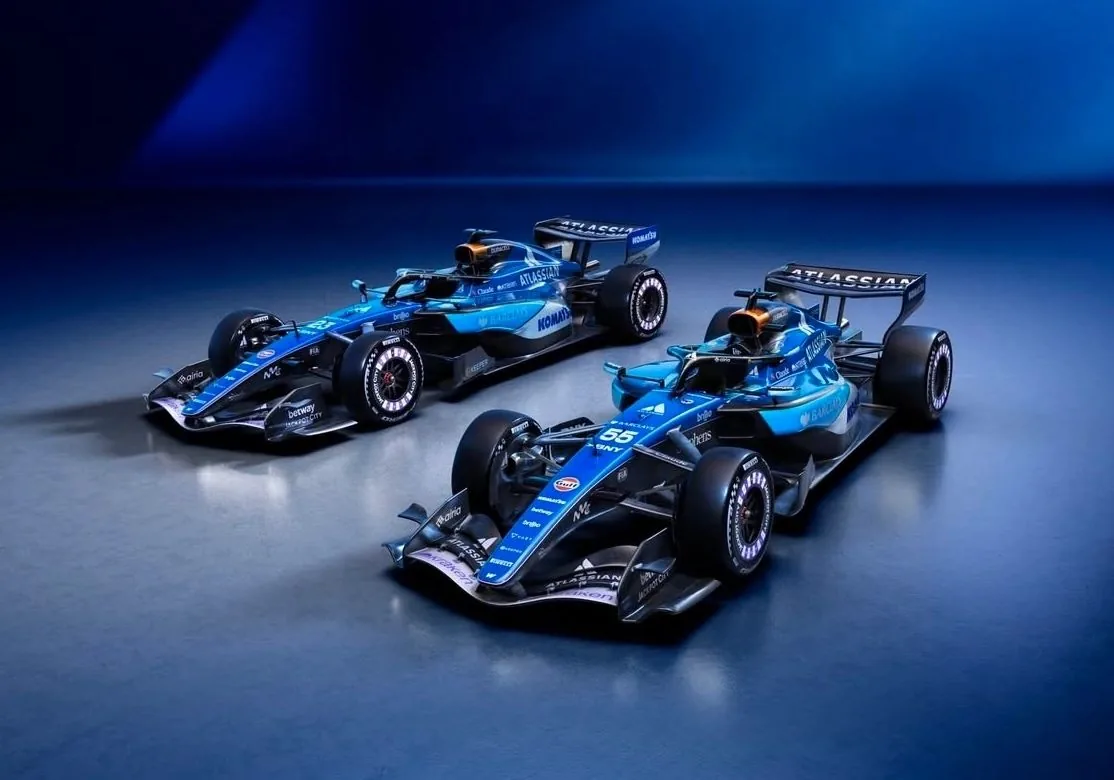
Williams emerged as one of the most active teams during the Bahrain tests Alex Albon and Carlos Sainz completed 422 laps, covering a total of 2,284 kilometers. This workload, comparable to that of McLaren, highlights the strong reliability of the Mercedes power units. After missing the January tests, the team prioritized data collection over outright speed in an effort to catch up.
However, Williams’ best lap was more than three seconds slower than the time set by Kimi Antonelli in the Mercedes. According to Marca, one of the reasons is the excess weight of the FW48, which is approximately 20 kg above the optimal target. This results in a loss of up to 0.7 seconds per lap, and nearly 40 seconds over the course of a race a significant deficit even compared to midfield teams such as Racing Bull and Haas.
The additional weight arose after the chassis failed FIA crash tests, forcing engineers to urgently reinforce the structure. This also delayed development, as part of the planned aerodynamic updates could not be completed in time for testing. Given the reduced downforce levels of the new-generation cars, such delays are especially detrimental: the FW48 currently lacks stability, particularly under braking.
On Friday, Albon conducted a race simulation: on hard tyres he was around two seconds per lap slower than Mercedes, and on medium tyres the gap increased to between two and three seconds.
Williams has already initiated a recovery plan focused on weight reduction and aerodynamic improvements. The first significant updates are expected no earlier than the April round in Bahrain. Should the upgrades prove effective, the team hopes to gradually close the gap with more than twenty races still ahead.