Pirelli Confirms Updated Tyre Compound Allocations for Remainder of 2025 Formula1 Season
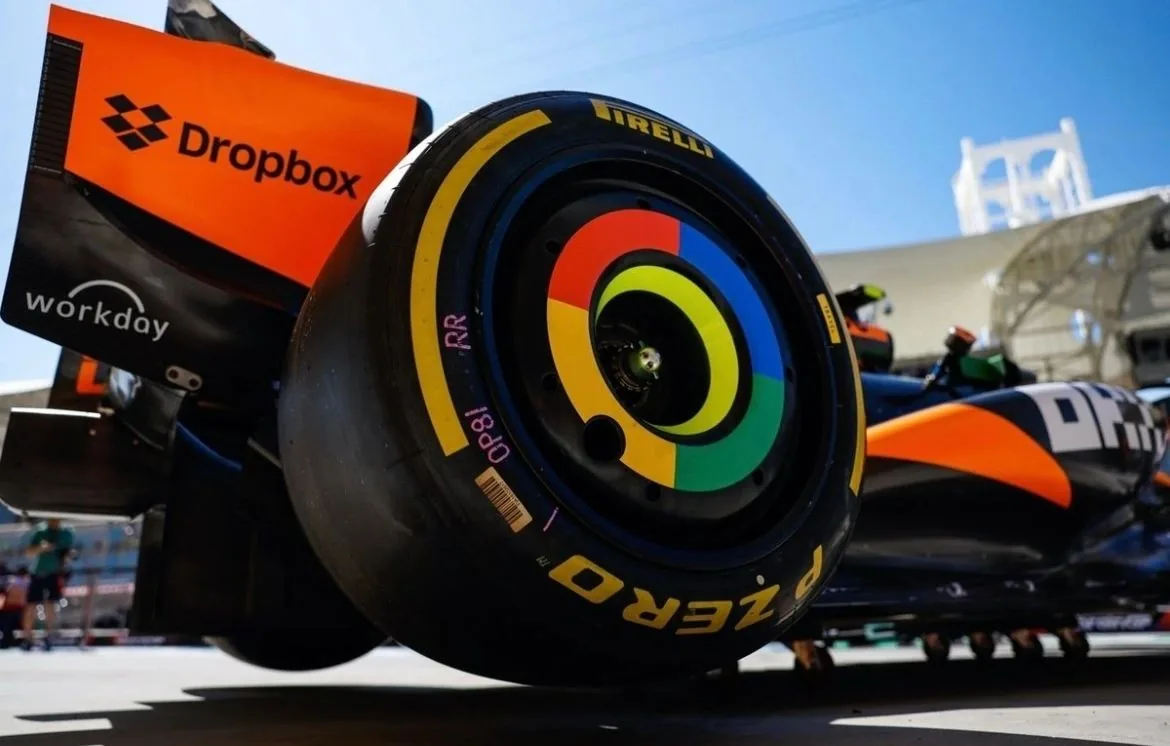
Pirelli has officially announced the revised slick tyre compound allocations for the remaining rounds of the 2025 FIA Formula 1 World Championship. The updated selections are based on comprehensive data analysis conducted by Pirelli’s engineering team over the course of the season.
Several changes have been introduced in comparison to the previous year, reflecting evolving circuit conditions and strategic considerations.
At Zandvoort, teams will receive a softer compound range — C2, C3, and C4 — in contrast to the harder selection used in 2024. A similar softening of compounds will be implemented at the Azerbaijan Grand Prix in Baku, where the C4, C5, and C6 tyres will be supplied.
In Austin, while C3 and C4 will remain as the Medium and Soft compounds, respectively, the Hard option will be revised from C2 to the harder C1. The same change will be made for Mexico City, with the C4 and C5 compounds retained, but the Hard specification adjusted to C2, replacing last season’s C3.
For the Sao Paulo Grand Prix, Pirelli has opted for a harder selection of compounds — C2, C3, and C4 — marking a return to the 2023 configuration.
In the remaining events — Monza, Singapore, Las Vegas, and Abu Dhabi — the compound choices will mirror those used in 2024:C3, C4, and C5. The Qatar Grand Prix will again feature Pirelli’s hardest available trio:C1, C2, and C3.
Commenting on the announcement,Mario Isola, Pirelli’s Head of Motorsport, stated:
“We have chosen to communicate the tyre allocations for the rest of the season in advance, allowing teams to fine-tune their preparations for each circuit. These revisions have been made in consultation with the FIA and championship stakeholders and are grounded in data gathered both through trackside operations and advanced simulation tools.
Our goal remains to optimise the competitive balance between one- and two-stop strategies, while enhancing the entertainment value and technical depth of each Grand Prix. There is no universal approach to tyre selection, but understanding the unique demands of each venue enables us to support the sport’s evolving requirements.”