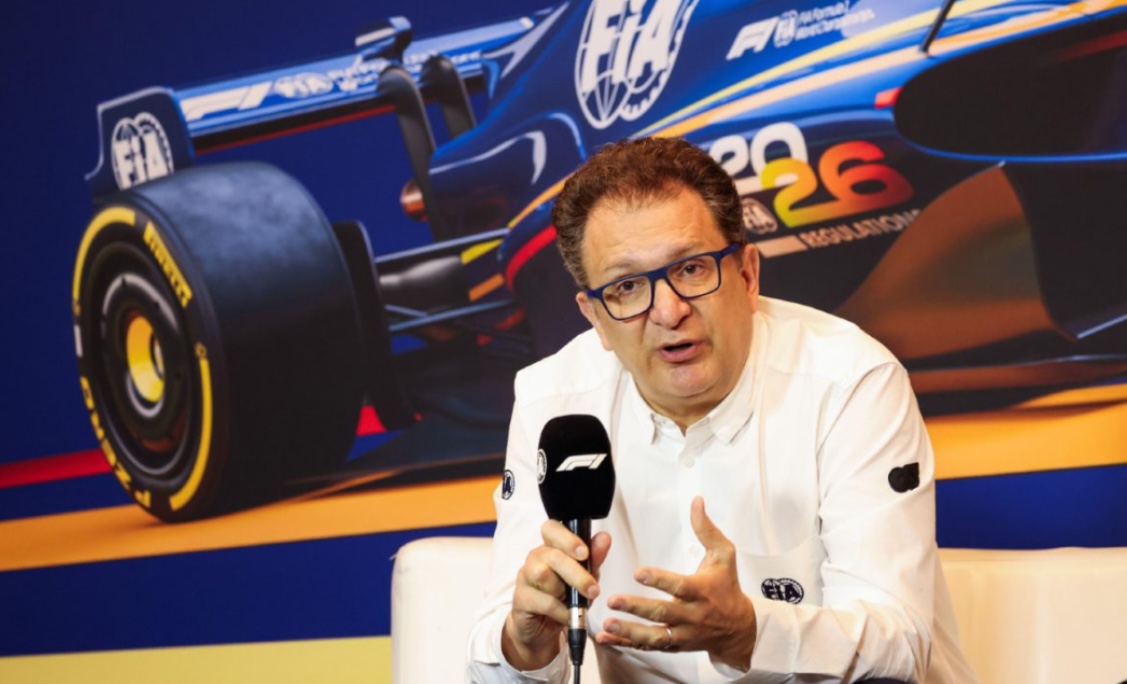
The FIA has responded to criticism from Formula 1 drivers over the governing body's handling of preparations for the 2026 season and the introduction of the new technical regulations. Earlier, GPDA director Carlos Sainz argued that many of the regulation's shortcomings could have been identified during the development phase and prevented before the rules came into force.FIA Director of Single-Seater Racing Nikolas Tombazis acknowledged that the governing body had anticipated many of the potential issues and had attempted to amend the regulations. However, he explained that the FIA was unable to introduce changes unilaterally under the existing governance structure.According to Tombazis, any significant amendments required approval from the FIA, Formula One Management (FOM), and the majority of the power unit manufacturers. This process was designed to protect the interests of both established and new manufacturers, including Audi, but it also significantly limited the FIA's ability to respond quickly to emerging issues.Once the shortcomings of the new power units became evident during the season, the FIA was forced to introduce emergency measures, some of which took effect from the Miami Grand Prix. The governing body is now working with manufacturers on further regulatory revisions for the 2027 and 2028 seasons.
FIA Explains Why It Could Not Prevent Formula 1's 2026 Regulation Problems
August 4, 2026